
KIDS’ EYE CARE
When it comes to your child's vision, it's comforting to be reassured that their eyes are developing
correctly and they’re able to see
clearly. Good vision is critical in children’s lives, whether it’s in the classroom or on the
field.
You may not even know that your child needs glasses — especially if vision correction is needed
before they’re able to read. The guide below
can give insight into a child’s vision development, and let you know when they should have
comprehensive eye exams.

Birth to 6 months
A newborn's eyesight isn’t well-coordinated for the first few weeks. Their focus is limited to eight
or 10 inches away — about the distance
between the baby and a parent’s face when the baby is being held.
However, rapid visual improvement occurs just within the first month of life. The baby will start
tracking objects as they move and begin
reaching for them. Faces and nearby objects become easier to focus on too.
A baby’s first eye exam should be at 6 months to make sure their eyes are aligned and working
together properly. During the exam, the eye
doctor will look for signs of anything out of the ordinary. They will also examine how the pupils
react to light, and how well the eyes can
work together to follow an object1.
7 to 12 months
As a child grows, their eye movements and hand-eye coordination skills continue to improve. It’s a
giant developmental step that helps them
perform important tasks.
These tasks include things like pulling themselves up, reaching for objects, and grasping a toy
between their thumb and index finger. They
should be getting better at judging distance and throwing objects1.
VISION DEVELOPMENT
TIPS FOR BABIES
- Do show and tell to help them build word association.
- Play peekaboo to help improve their visual memory.
- Encourage crawling to help your baby learn visual tracking.
- Alternate sides when feeding to let your baby see different views.
- Hang reach-and-touch toys above the crib to encourage early hand-eye coordination.
- Talk to your baby as you walk around the room to help them develop spatial tracking.
1 to 2 years
At this point, hand-eye coordination and depth perception skills should be more advanced. These skills encourage a child’s interest in what’s going on around them. They should be able to recognize familiar people and objects, and scribble while holding a writing utensil1.
3 to 5 years
Your child should have a comprehensive eye exam at some point between 3 and 5 years of age. A proper
eye exam can detect eye diseases or
abnormalities that may affect a child’s vision. If needed, the eye doctor may prescribe eyeglasses
or vision therapy to treat certain vision
development issues.
This exam should be made a priority before your child starts school. Results of the exam will be
used as a benchmark in future
checkups2.
HOW TO HELP
PREVENT
EYE
PROBLEMS IN
CHILDREN
- Read to kids so they learn to visualize what they hear.
- Roll a ball back and forth to help toddlers visually track objects.
- Practice throwing the Frisbee to help refine hand-eye coordination.
- Play with puzzles to help them develop visual problem-solving skills.
- Play games with numbers or shapes to help kids work out solutions in their head.

6 to 18 years
Once your child reaches school age, you should arrange an eye exam each year before school
starts. This exam is important even if your
kids receive in-school vision screenings. Up to 75% of school vision screenings miss treatable
vision problems3.
A comprehensive eye exam will test for common problems like nearsightedness, farsightedness and
astigmatism. These conditions can affect
a child’s learning ability but are treatable with kids' prescription glasses or
contacts3.
SIGNS OF VISION
PROBLEMS IN
CHILDREN
Some eye problems in children have more visible symptoms. Arrange an eye exam for your child if they show one or more of the habits below:
- Sitting too close to the TV.
- Trouble remembering things they read.
- Squinting, rubbing eyes or tilting their head.
- Short attention span for their age.
- Using a finger to trace lines as they read.
- Covering one eye or tilting their head to one side.
- Avoiding coloring, puzzles or other visual activities.
- Difficulty with eye-hand-body coordination when playing with a ball3.
kid-friendly frames
made to last
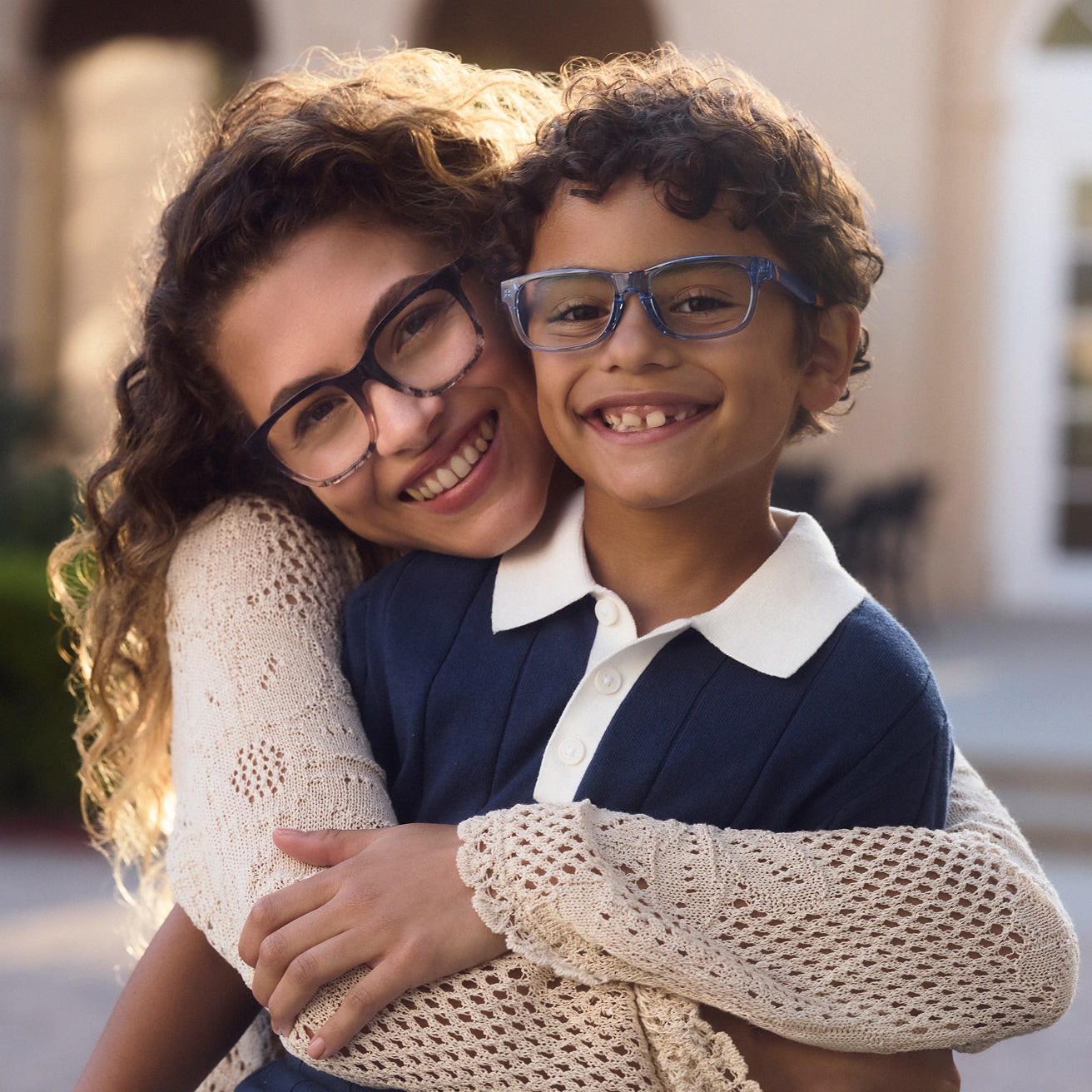
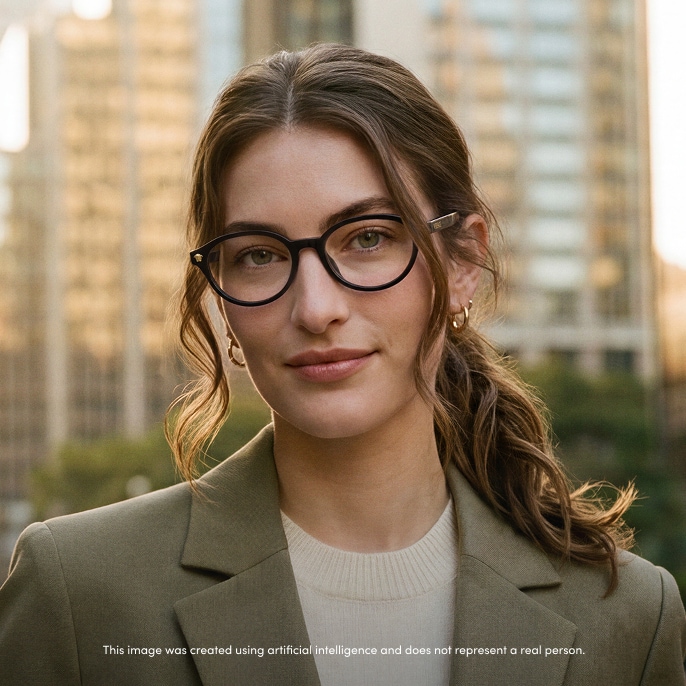
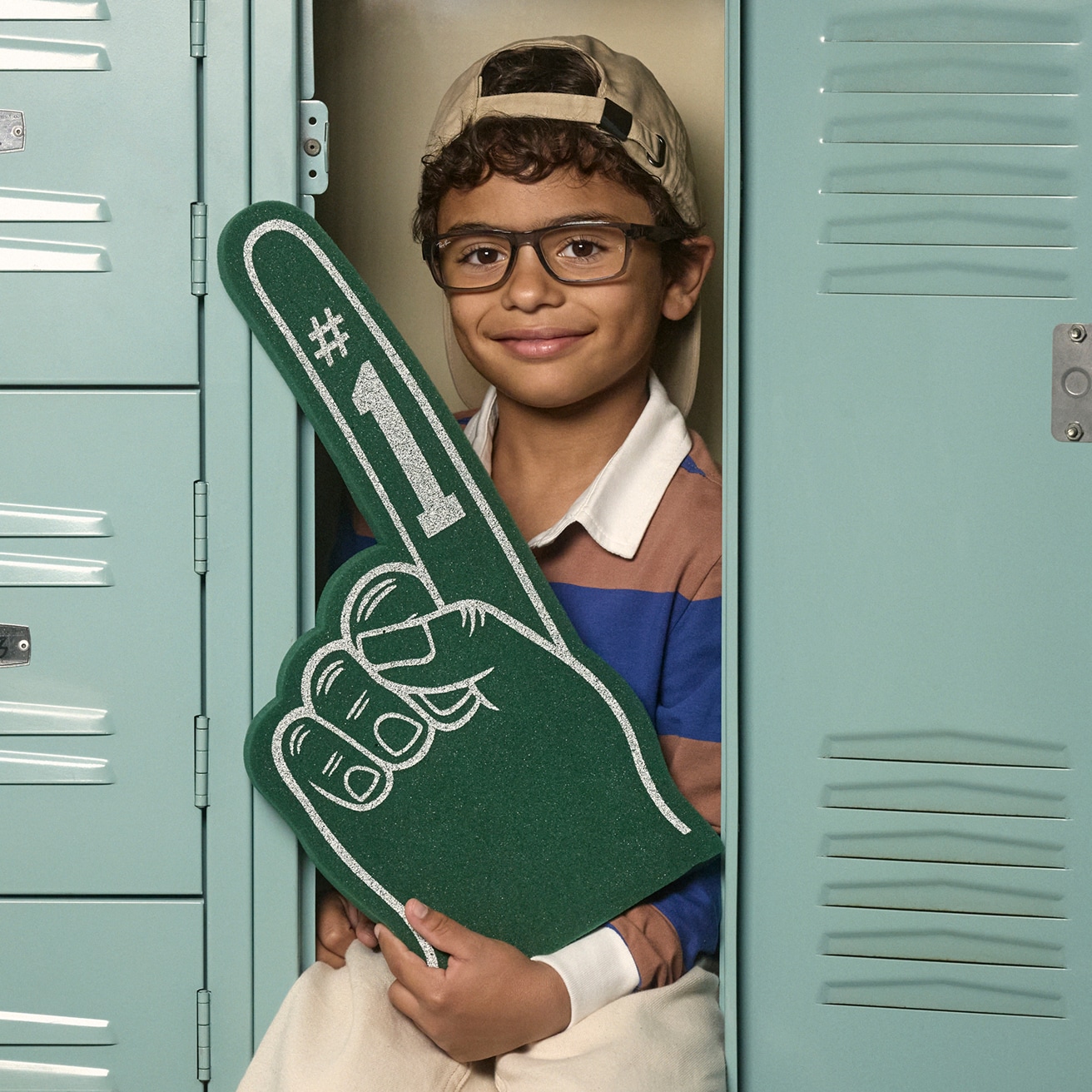
Hearing they need glasses can be nerve-wracking for a child for several reasons. They may be
worried about looking different or
embarrassed about wearing their new glasses.
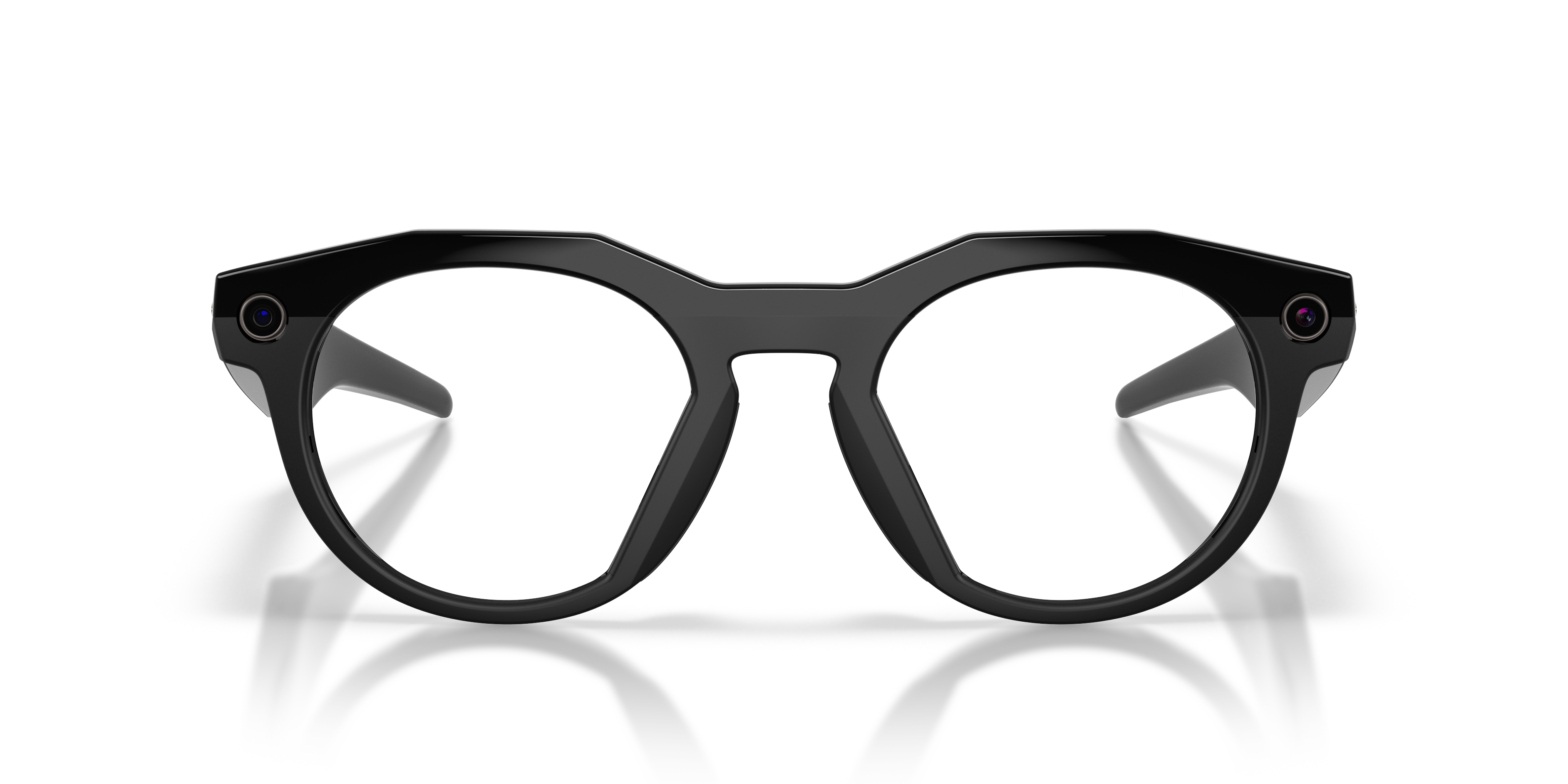
As a parent, you may worry about the durability of kids' glasses. You want a pair that can
withstand your child’s active play life.
LensCrafters offers a durable line of kids' eyeglasses online and in-store that both you and
your child will love. The LensCrafters
website frequently has discounts on frames and lenses and allows you to apply vision insurance
toward the cost of new glasses, making it
easy to purchase kids’ glasses online.
Kids may grow out of everything else, but they don’t outgrow seeing the eye doctor. An exam
every 12 months is good for kids who wear
prescription glasses.
Show transcript
Hello. My name is Dr Christina Chu. I'm the optometrist at our LensCrafters Flagship store
located at 23rd Street and Broadway in New
York City. Today, I'll be talking to you about children's eyecare and why it's important to
regularly check their sight.
It is so
important to take care of children's eye health with annual comprehensive eye examinations since
children may not be aware they are
having (or experiencing) vision problems.
In fact, vision screenings only are not enough as
these can check part of their vision,
the visual acuity, meaning the sharpness of their vision of high contrast letters or
pictures.4
The other aspects we want to examine are
the health of the eye and how well the eyes work together. All of these aspects are important
for proper visual development and success
in school.
At LensCrafters, we know sight is important for everyone - even little ones!
Schedule their annual eye exam online or
instore.5

Our expert tips
The importance of children’s eye care
Find out how to take care of your children’s eyes, from maintaining their visual acuity to helping them succeed in school.
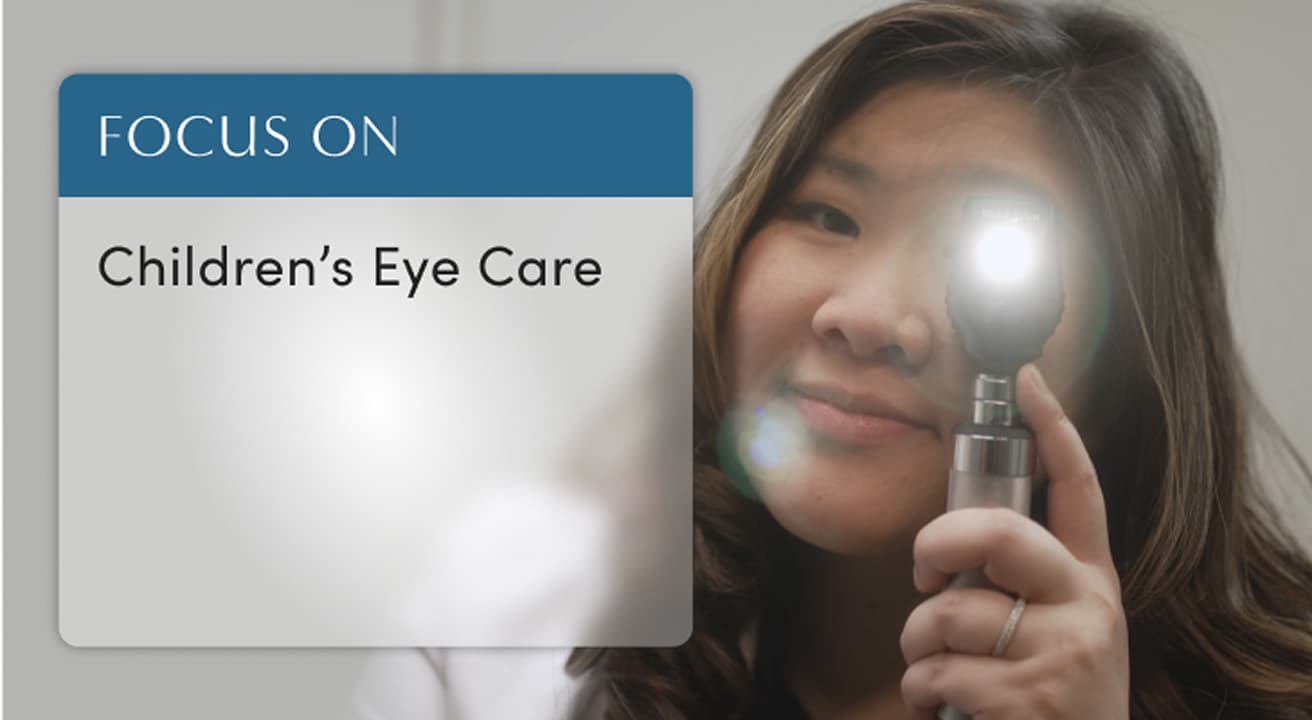
Watch our Dr. Tips video for more information.
THE IMPORTANCE OF AN ANNUAL EYE EXAM
Pediatric eye exams4 are essential for your child's vision needs. Early detection and vision correction improves their development and future. Comprehensive exams by a doctor of Optometry can diagnose and address conditions not spotted during routine school screenings.
It is recommended for infants to receive an eye exam between the ages of 6–12 months4. Preschoolers should have at least one in-person eye exam between the ages of 3–5 to prevent or diagnose any condition. School-aged children, ages 6–18 are advised to get an exam before entering first grade and annually after.5
WATCH THE VIDEOSOURCES
- Infant vision: Birth to 24 months of age. American Optometric Association. Accessed December 2022.
- Preschool vision: 2 to 5 years of age. American Optometric Association. Accessed December 2022.
- School-aged vision: 6 to 18 years of age. American Optometric Association. Accessed December 2022.
4Eye exams available at the independent doctor of optometry at or next to LensCrafters. Doctors in some states are employed by LensCrafters. In California, eye exams are available at LensCrafters locations from independent doctors of optometry at or next to LensCrafters. The optometrists are not employed by LensCrafters, which does not provide eye exams. Infant eye exams not available at all locations.
5Source: American Optometric Association.
Arrange an eye exam in 3 easy steps
Choose your location
Arrange an eye exam
Add to calendar